🌴 July 2026 – Farm Life
Posted July 18, 2026
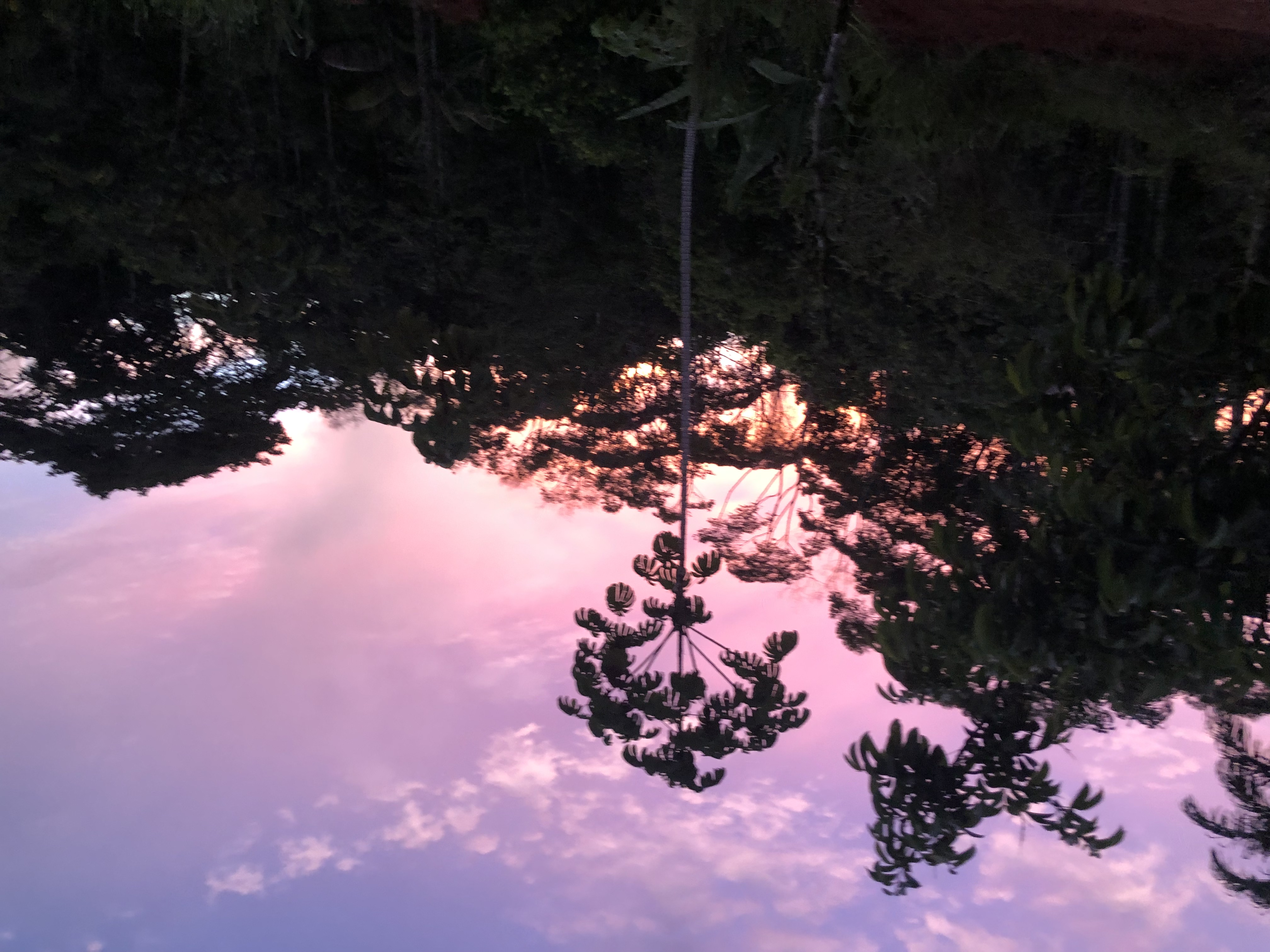
I'm sitting on my hammock overlooking the forest canopy while I write this. Twilight is quickly fading on the horizon as I listen to the soothing sounds of nature around me—and also the blare of our generator. Our solar system has been down for months now... This life is full of pleasures, but it also has its challenges. I suppose that's true anywhere. I think the most important thing in life is how we choose to look at it.
This month has been lively and full of spark, which is inevitable when my mother's in town. As far as projects go, we've been gathering materials to build my dad's new bedroom downstairs. On the farm we've been trying to keep up with the Abiu (Pouteria caimito) harvest, which has been producing without restraint. Many other exciting fruits are also on their way. We're now looking ahead to the end of the month when we'll travel to Alajuela to await our baby. There's still so much to do before then!
I wouldn't be surprised if farm life is one of the most challenging lifestyles to maintain. It isn't all peaches and cream in paradise. Although there's certainly plenty of that, there are lots of bitters and sours as well. It's been a difficult month as far as my health is concerned. My shoulder has been out of whack, and I also came down with a nasty cold. We've been a bit undermanned, so I've had to keep a rigid schedule regardless. On the bright side, we recently had a great volunteer, Takafumi from Japan, who helped us tremendously.
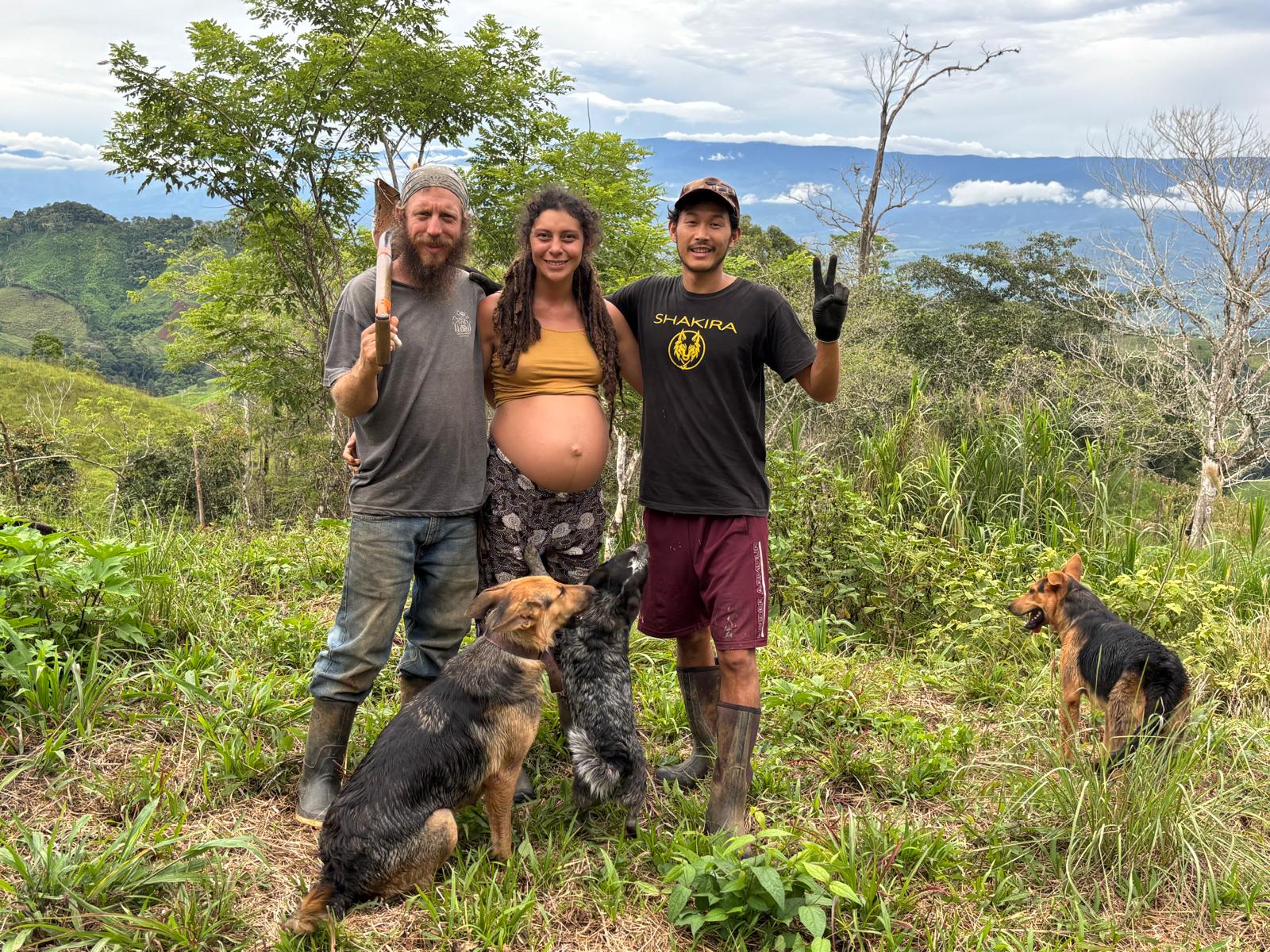
Our goal is to guide this farm into becoming a mature food forest. Yet the thousands of other species surrounding us are also doing everything they can to thrive, and if they aren't support species, there's a good chance they're competitors. In the tropics everything grows prolifically. Keeping up with this living landscape is like adding tasks to an endless list. Every time a new job appears, ten more seem to follow it. The only option is to tackle one thing at a time, step by step. Consistency makes all the difference. If I try to hold everything in my mind at once though, I'll probably go insane.
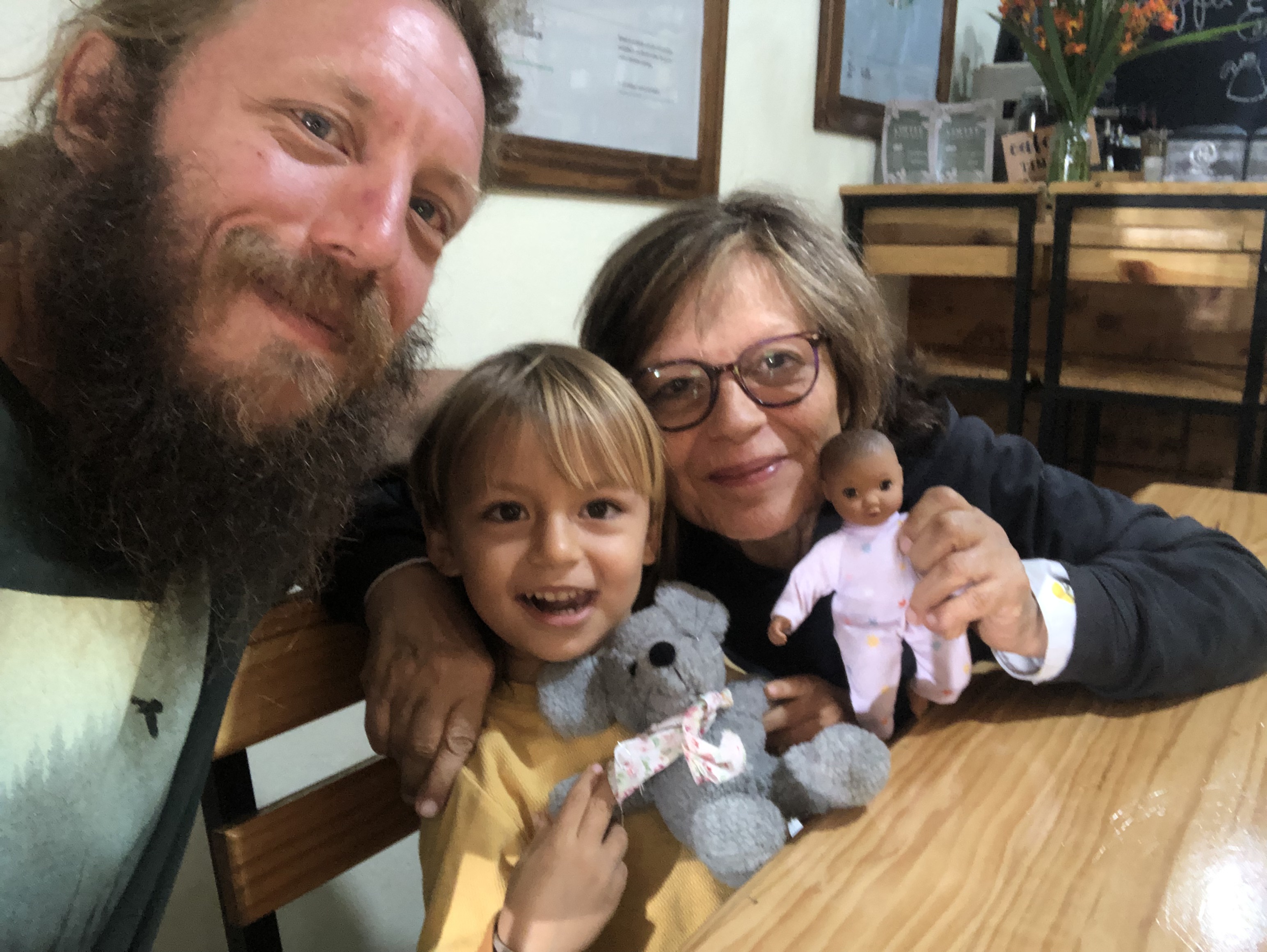
My mom being in town has been a welcome distraction from the heavy helm of the farm. Taking little breathers away from work is actually essential from time to time. If I let the weight of this place crush me, I'll lose the motivation to keep moving forward. Burnout only happens if the process is allowed to unfold unchecked. Looking at the farm from the outside often brings hidden things into focus. Recently we spent a couple of nights at Playa Ballena with my mom, which was wonderful. She's also been helping enormously here on the farm. Every day she visits she cooks us incredible meals. It's much easier to stay productive when someone else is handling food preparation, and my mom takes kitchen duty to another level. Tonantzin has been thrilled with Vovó's (grandma) presence too, and we've even had the chance to see my son Luca a couple of times recently.
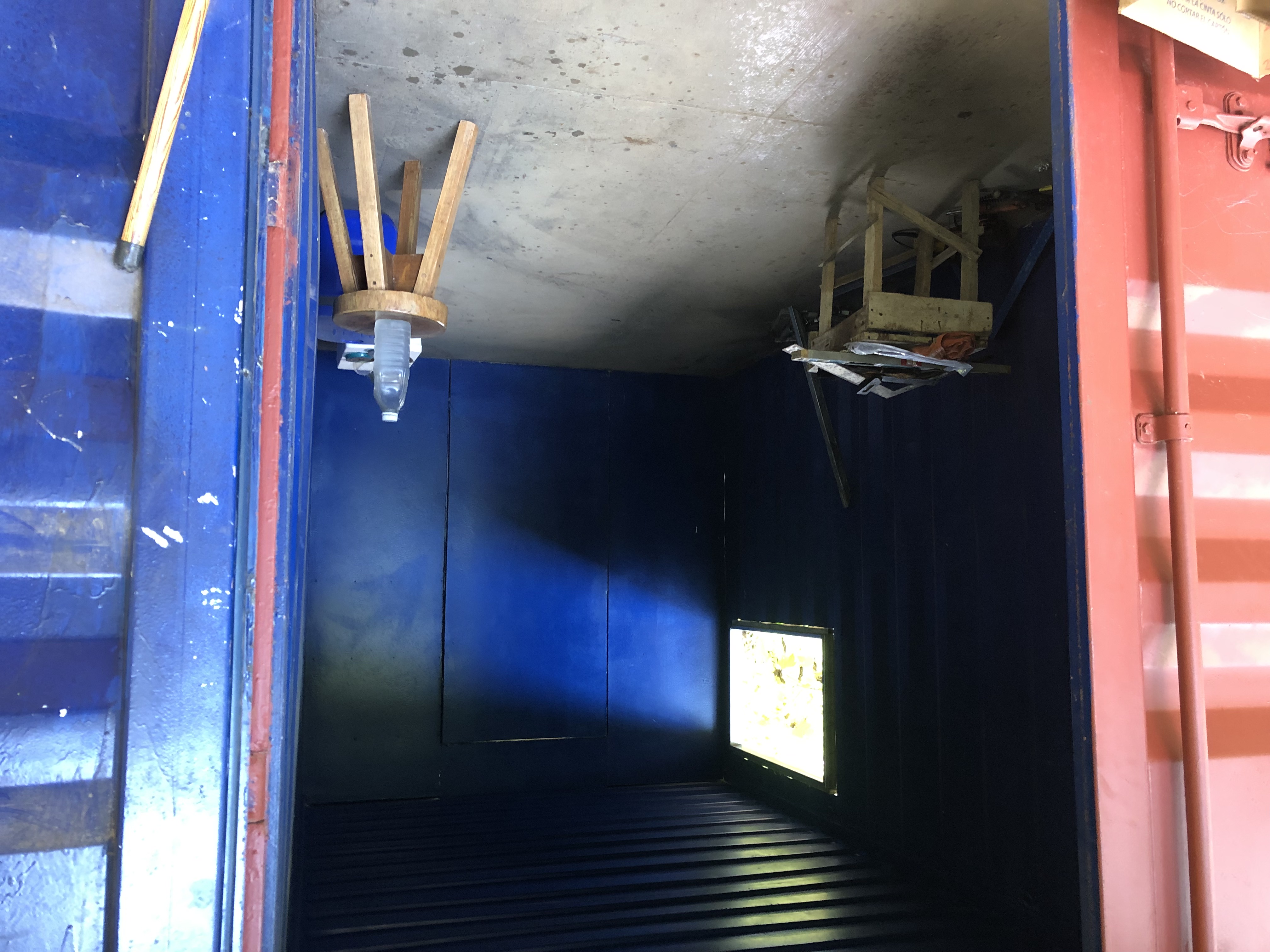
Our family is growing, and we need more space in the house. That's the motivation behind remodeling one of the shipping containers downstairs into my father's bedroom. It will free up the large room upstairs for the kids. We've already moved the tool shed into the other container, so the space is finally ready to be transformed into a bedroom. Our goal is to have it finished before we return from Alajuela. We've already cut out a window and gathered all of the building materials. Let's see how much we can accomplish before we leave. My dad will stay behind to watch the farm, and we also have a volunteer arriving through WWOOF. Along with our local handyman, Juan, the three of them will probably be able to finish the room before we get back.
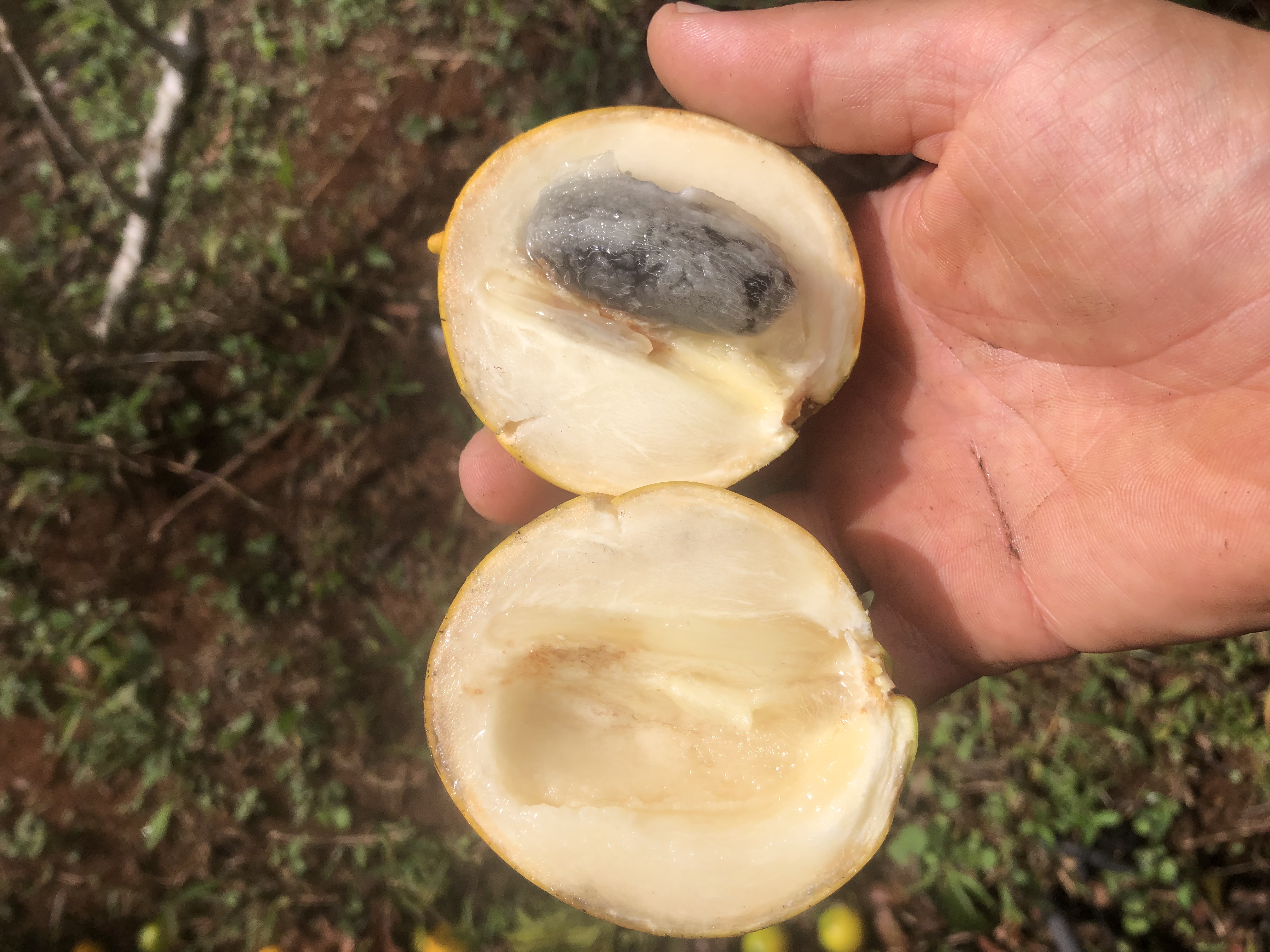
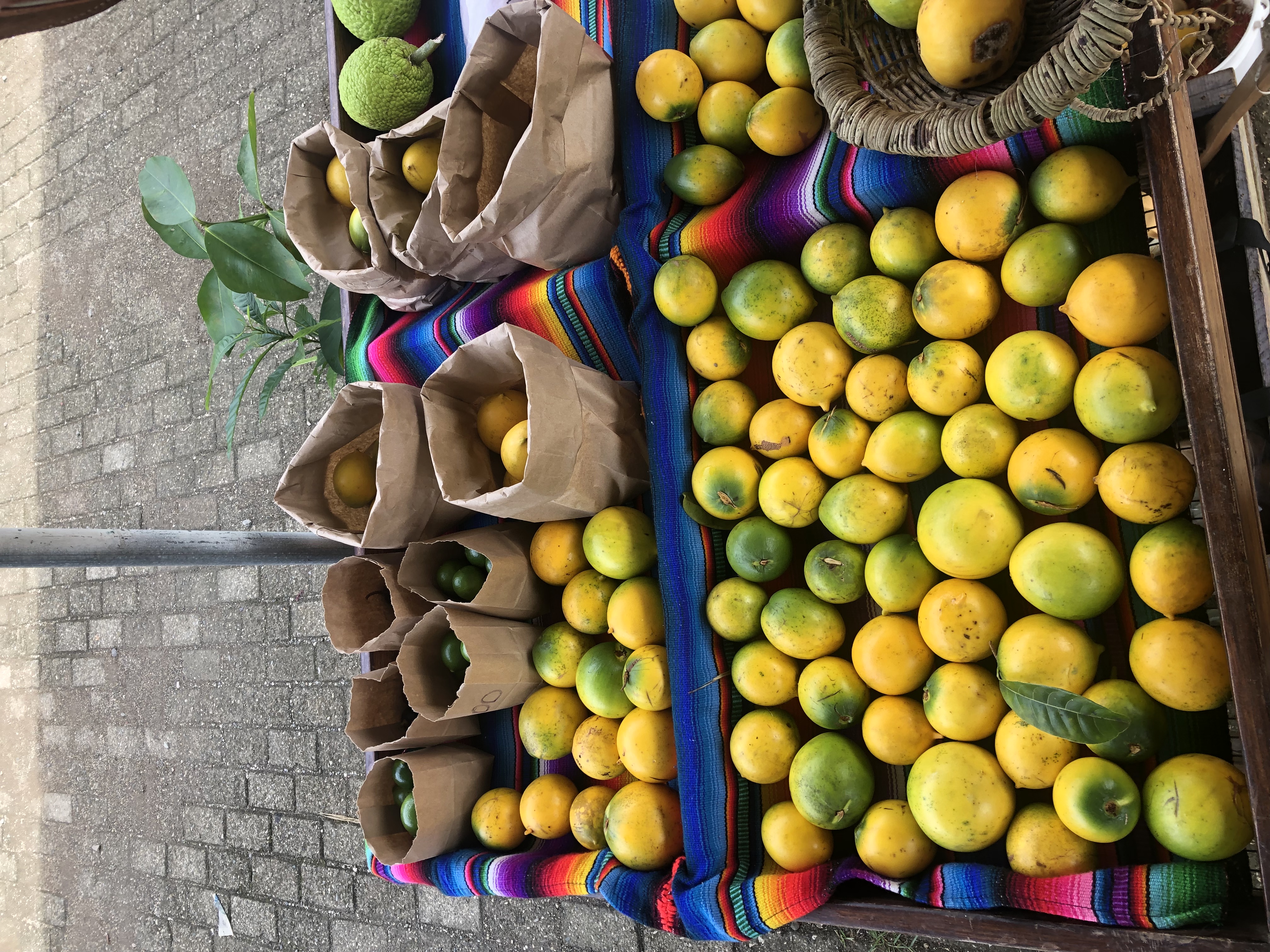
At this point, the abius are coming out of our ears! The amount of fruit I've been harvesting every three or four days has become staggering. It's been roughly two hundred fruits each harvest—for the last three harvests in a row. This close relative of the mamey sapote (Pouteria sapota) has actually become one of my favorite fruits. The downside is that abius are highly perishable and remain in perfect condition for only a very short time. A perfectly ripe one has lovely white flesh with a divinely refreshing caramel-like sweetness. Once they begin turning translucent, however, their flavor changes remarkably quickly. I have to be especially careful while harvesting. If I overfill the sack, the weight of the fruit bruises the ones at the bottom. Even the slightest mark changes their appearance and flavor within minutes. And even when they're handled with the utmost care, two days after picking they're simply not the same fruit anymore. That's probably why they're never found in grocery stores and only rarely at farmers' markets.
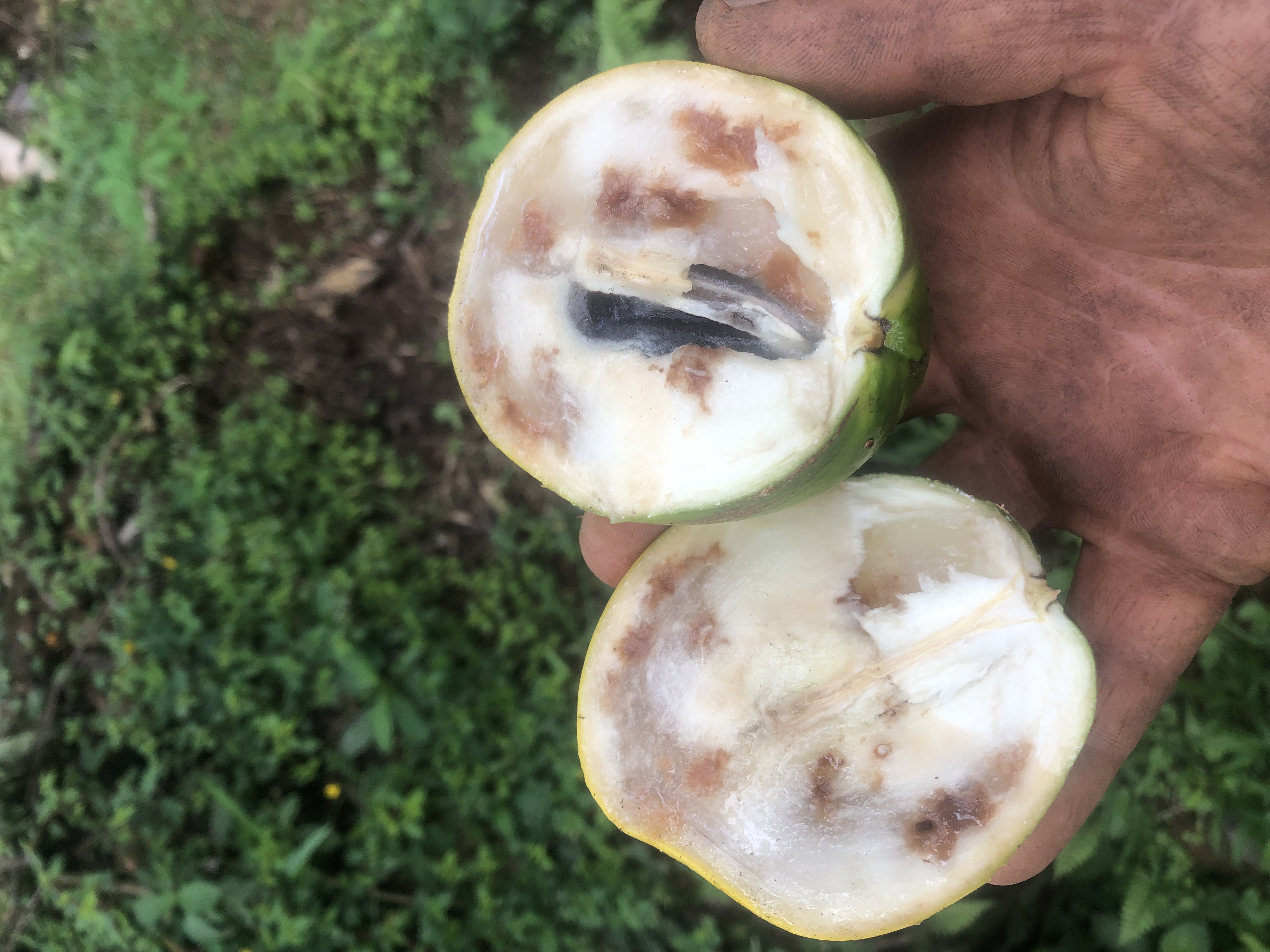
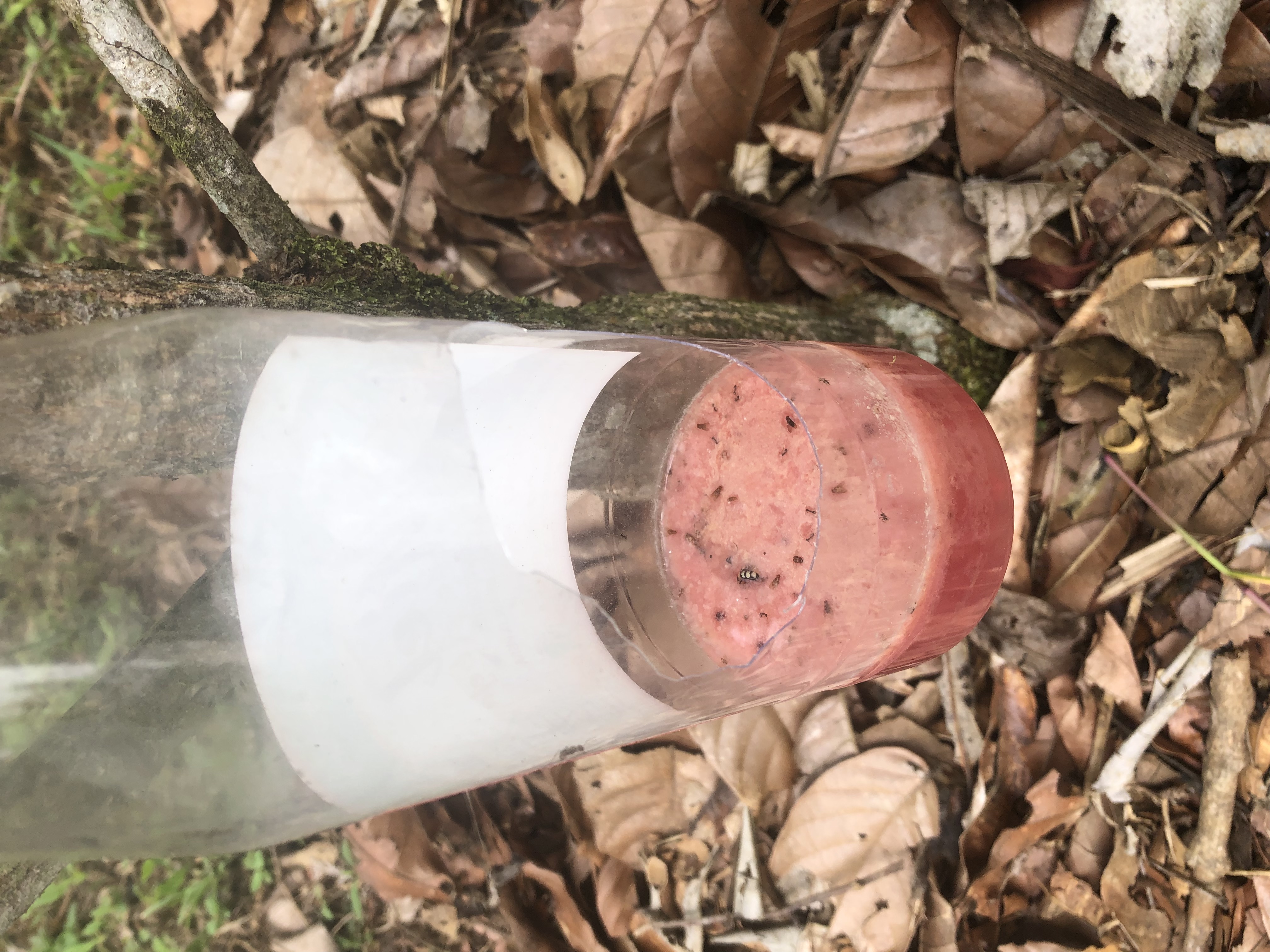
We realized just last week that the fruit flies have finally arrived. Their larvae are beginning to infect our crop. During the first few harvests we were lucky and they hadn't found us yet, but this latest wave of abundance was apparently too much to keep hidden. Another farmer recently told me about a simple trap that can be made almost entirely from recycled materials. All that's needed is a plastic bottle with a lid. By cutting a circular hole in the side with a razor blade and adding some old smoothie or sugar water inside, the flies are drawn in. The bottle is then hung from a nearby tree—though not the tree with the fruit. Once inside, the flies instinctively try to escape upward. Eventually they tire, fall into the liquid, and become trapped. I hung several traps the other day, and this morning I was excited to find that we'd already caught our first fruit fly.
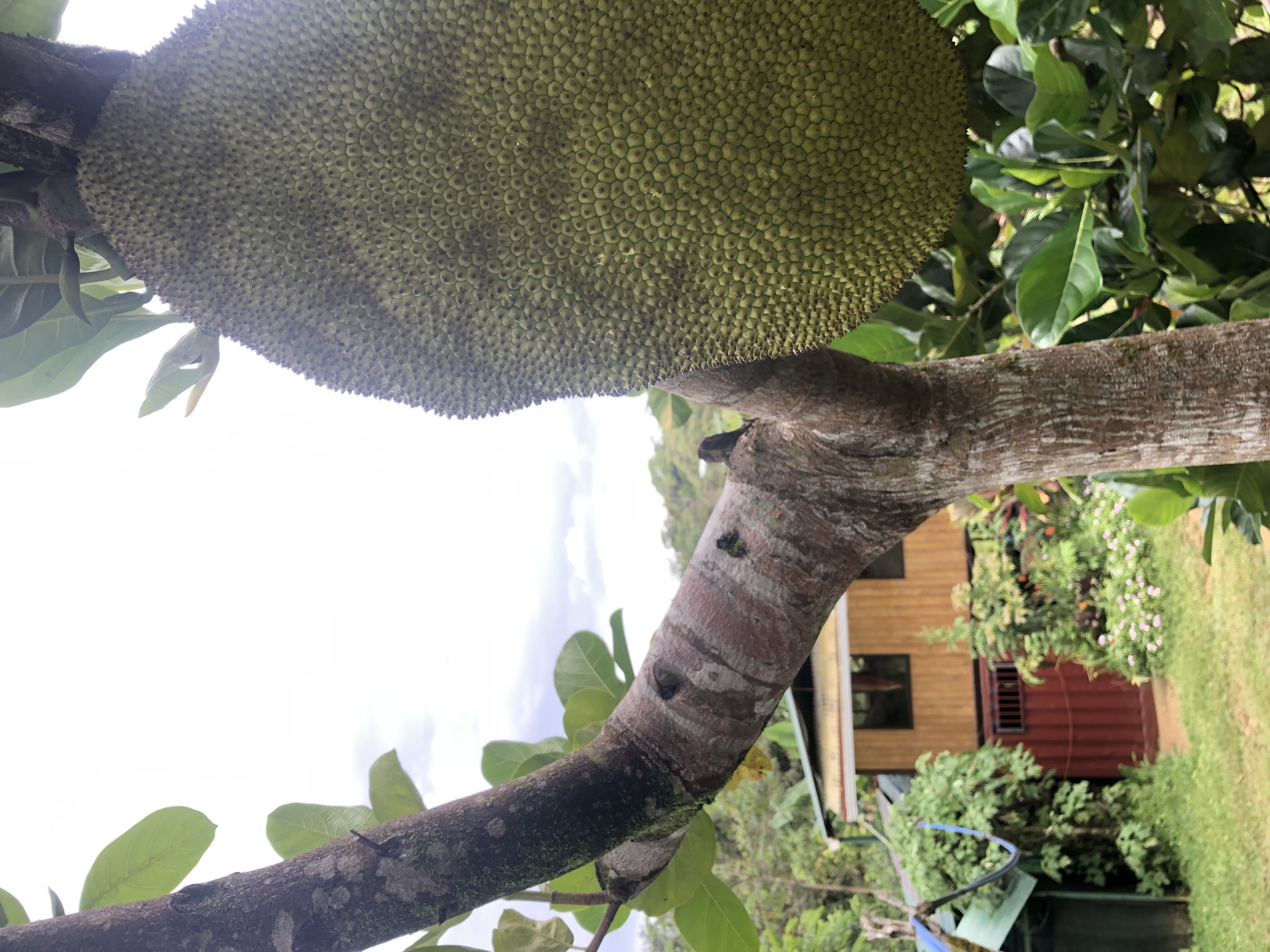
We currently have about six different jackfruit (Artocarpus heterophyllus) trees producing fruit, and thankfully these are impervious to the fruit flies. Three of them have fruited before and have proven to be exceptionally tasty varieties. One produces crunchy orange flesh, another has soft deep-yellow flesh, and the third is actually a Cempejack—a cross between a jackfruit and a cempedak (Artocarpus integer). That last one is especially enjoyable because its soft fibers are tender enough to be eaten raw along with the fruit.
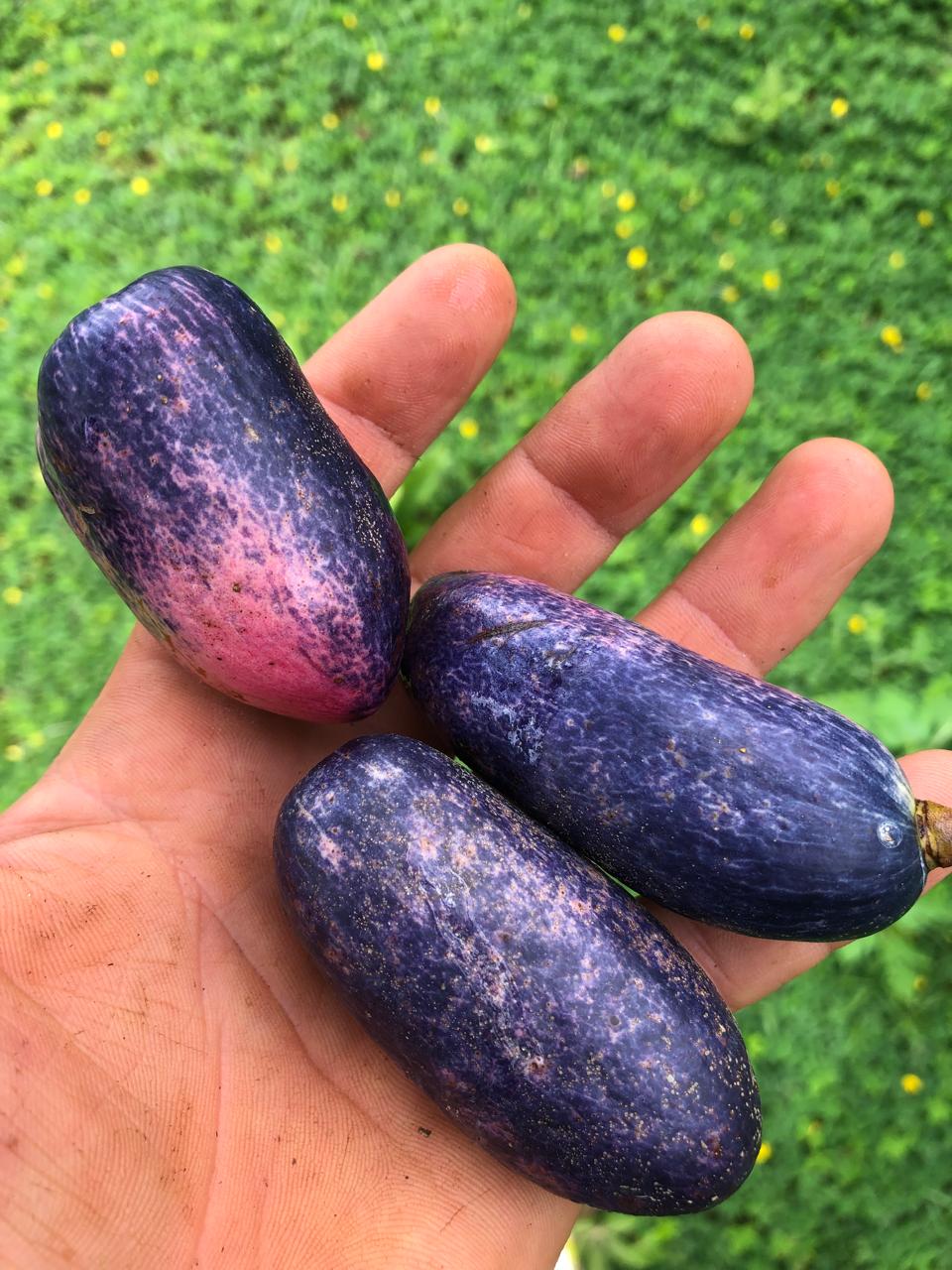
We're also expecting only our second-ever safou harvest (Dacryodes edulis). The first few fruits are beginning to develop their distinctive deep blue-purple color as they ripen. These unusual fruits are eaten more like vegetables than fruit and taste surprisingly similar to avocado with lemon juice. They need to be boiled for about ten minutes before eating to soften their flesh. In English, they're commonly known as butter fruit.
I hope I'm here to enjoy some of these treats, especially the ones we've been waiting nearly nine months for—like the borojo (Alibertia patinoi). We're leaving during the last week of July, and we won't return until after the baby is born. That could easily be several weeks away. I've considered making a quick trip back to the farm at some point to check on everything, but we'll see how things unfold once we're there. There's still so much to do before we leave, but I know that won't change no matter how much I accomplish. Part of me doesn't even want to go. It's always difficult to leave this place. No matter how daunting it can be to keep up with everything, this is the most rewarding lifestyle I've ever lived. That's what keeps me going. The best things in life are rarely easy, and sacrificing a certain degree of comfort is often inevitable when trying to create something this magnificent. I suppose that's also why we're willing to sacrifice this time away from the farm. So perhaps the best attitude is a simple one:
Pura Vida.
← Back to Blog