History & Acknowledgements
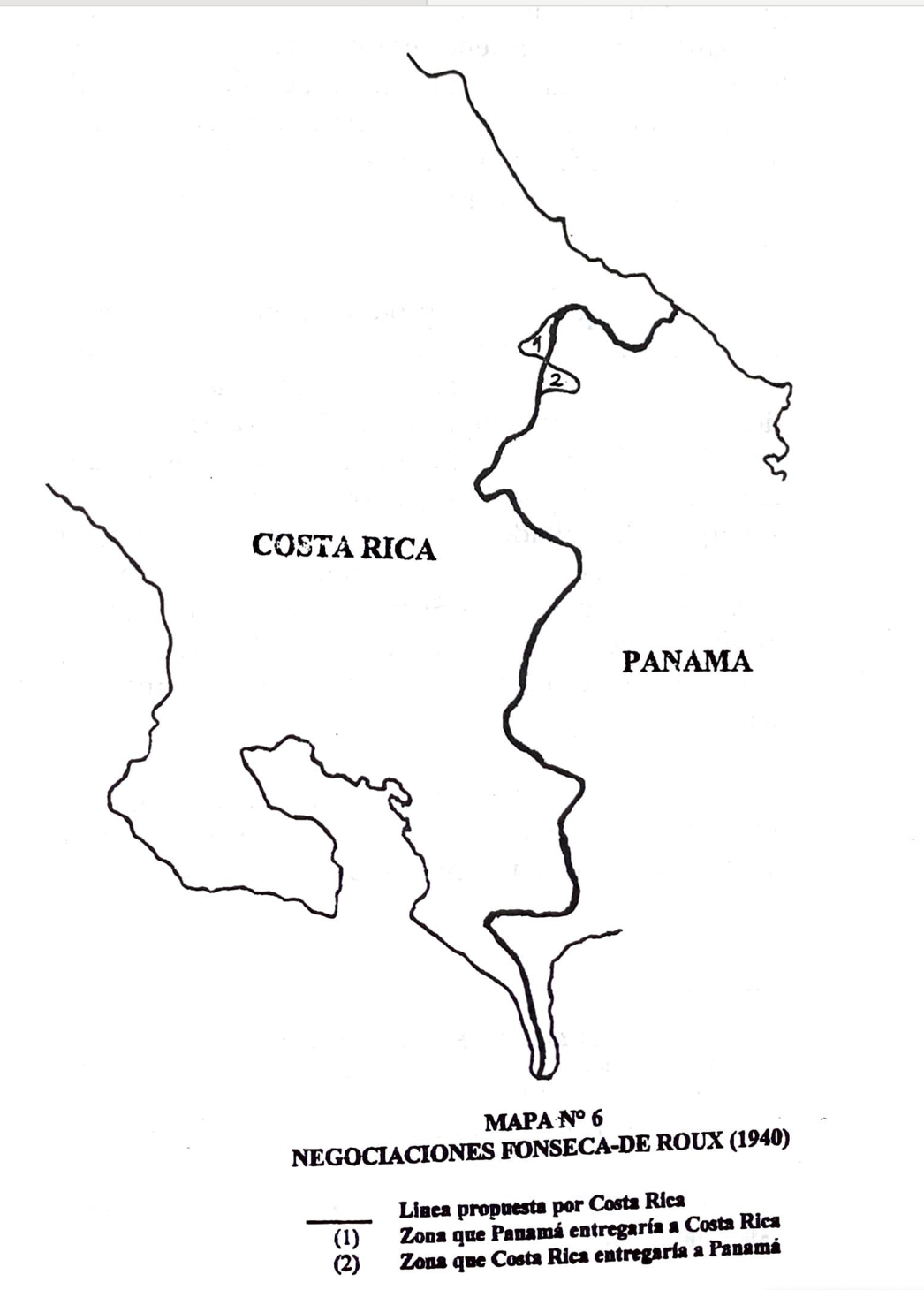
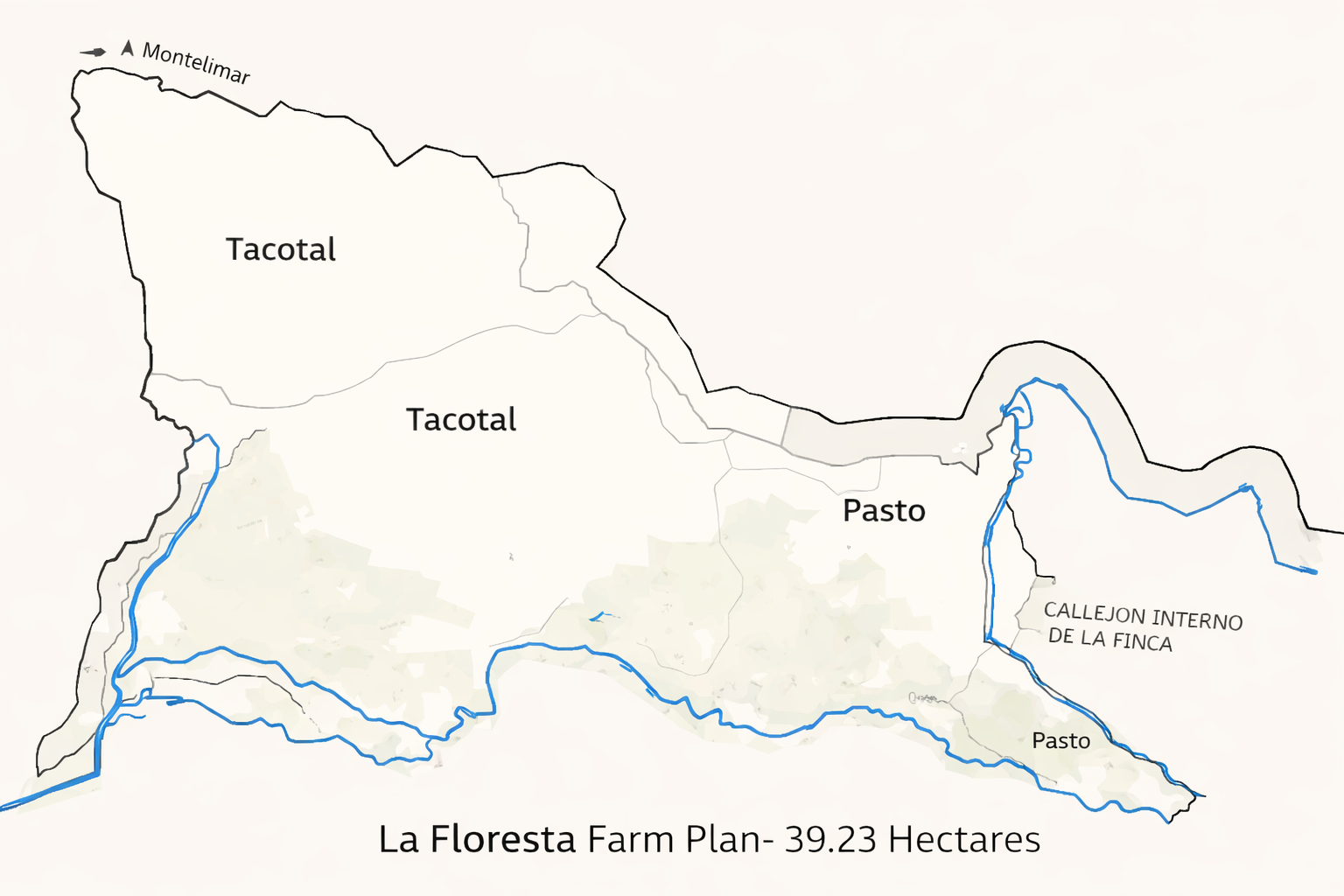
La Floresta is located near the border of two cantons: Buenos Aires and Coto Brus. Technically we're in Buenos Aires in the district of Potrero Grande--the first town established in the region. The area was first colonized by Panamanians and wasn't officially recognized as part of Costa Rica until 1941. By then the Espinoza family, originally from Panama, had already settled around Montelimar.
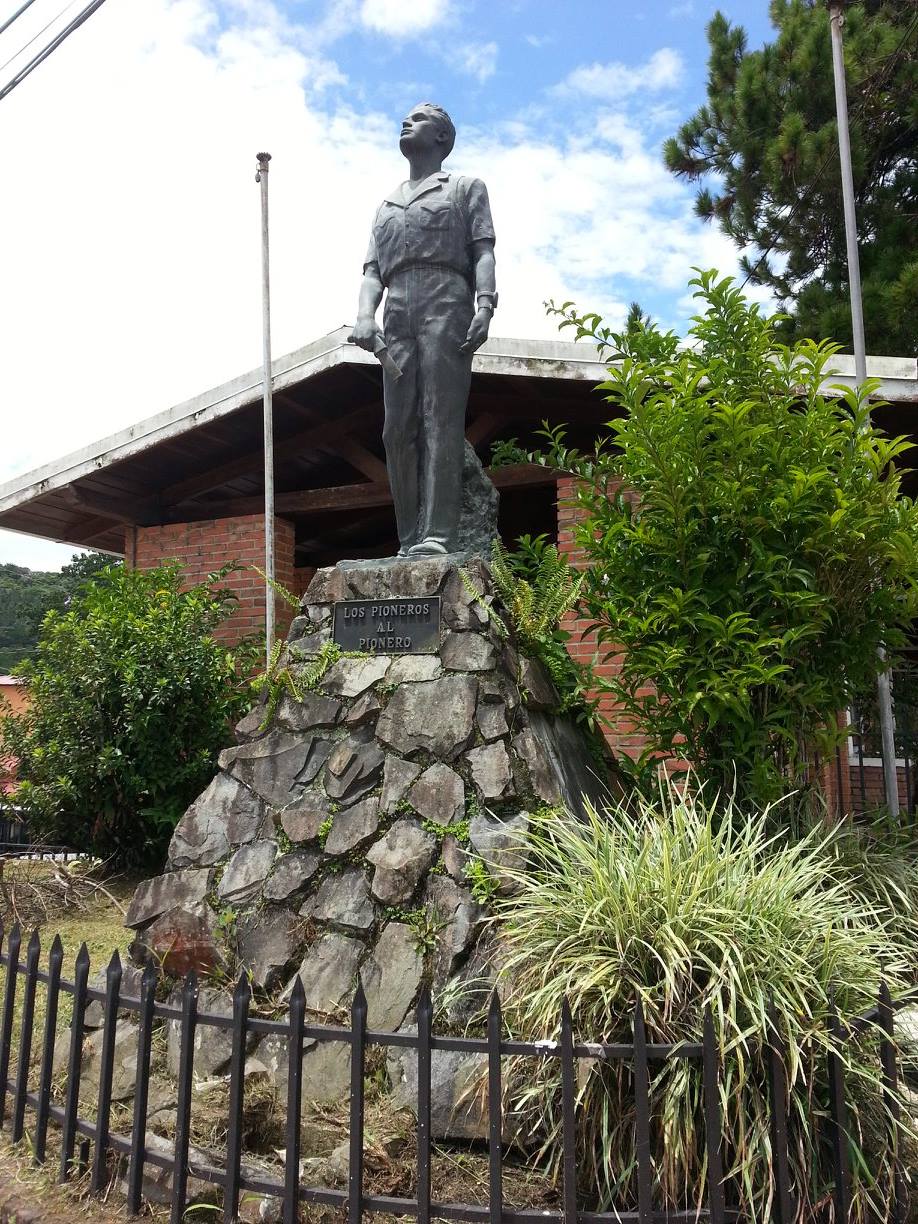
Back then the area was completely covered in thick native jungle. Because of its mountainous and remote terrain, it was one of the last regions to be colonized in Costa Rica. In the early days anyone could stake out their own property and anything they could manage and build a fence around was theirs. The pioneering days are still honored in San Vito by the statue titled, "El Pionero."
The Espinozas took hold of a huge swath of land on a mountain top--what would one day become Montelimar. Maria de Los Angeles Espinoza Beita became the heir to this gigantic mountaintop. She built her home on the highest peak and lived surrounded by hundreds of hectares of tropical jungle.
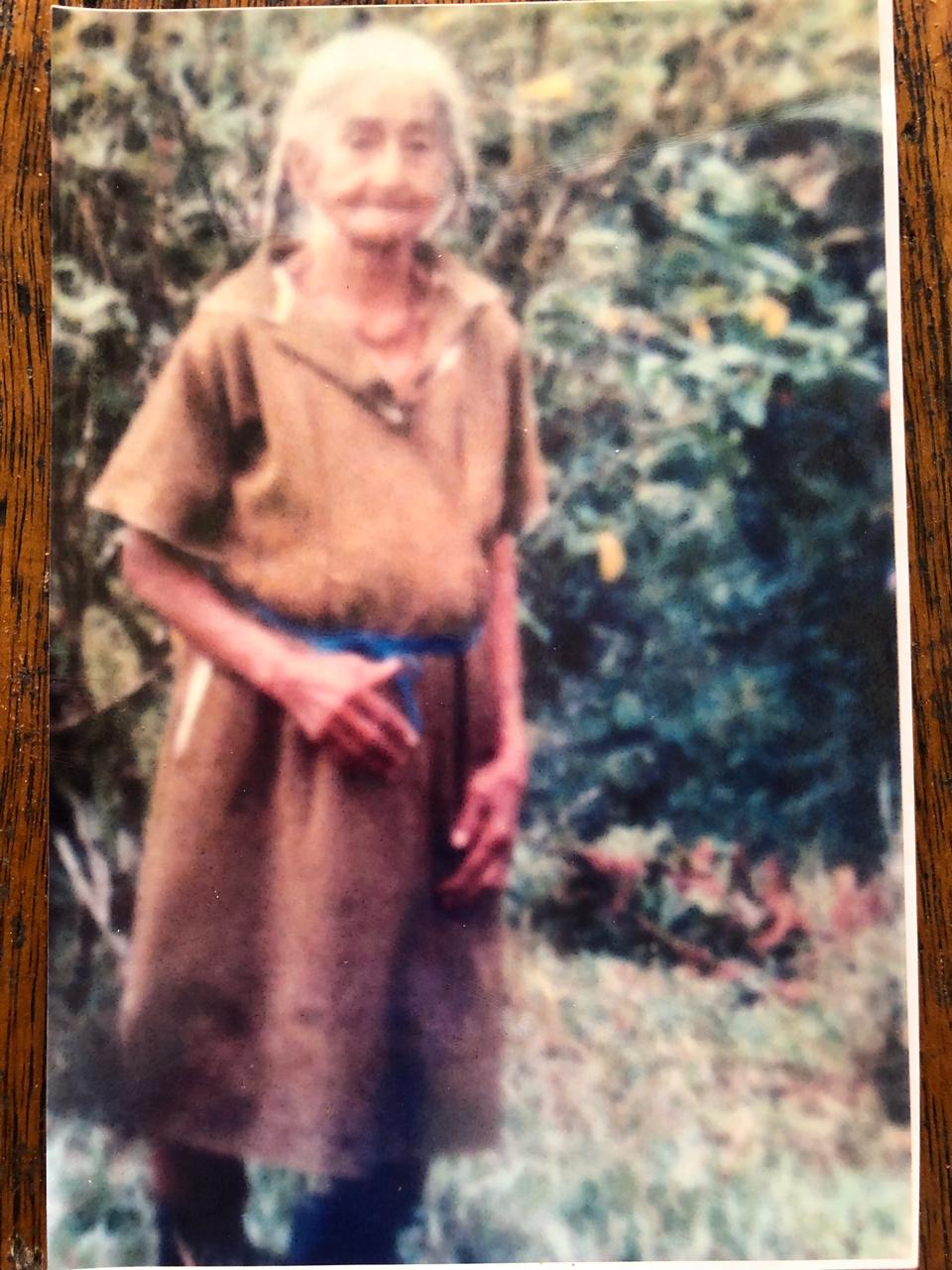
Through the late 70s and 80s, Costa Rica underwent a massive deforestation crisis, fueled by cattle ranching expansion, agricultural growth, and government incentives supporting these industries. While much of the surrounding forest was being cleared, María Espinoza resisted the pressure to “develop” her land. Recognizing the value of the native ecosystem, she chose instead to protect it.
When he was young, her grandson Gerardo Espinoza remembers seeing her walk the perimeter of the forest with her machete and small dog—ensuring no one encroached on the land. Today, over 270 hectares of native woodland remain preserved in Montelimar thanks to her efforts. It is the largest preserved forest in the area and home to many endangered species. Her decision continues to shape everything we are able to do here today.
In the years following María Espinoza’s passing, the land became disputed among some of her descendants, and its future grew uncertain. Property taxes went unpaid for several years, and the land was eventually foreclosed by the government. It was auctioned and later purchased by three lawyers from San Vito.
About five years later, we began searching for land to start our permaculture project. One of those lawyers, Carlos Azofeifa, was close to us. When he brought us to Montelimar, we were immediately captivated. Despite its remoteness and wild state, we could see its immense potential. Carlos himself was surprised by our decision.
It was only at the negotiating table that we learned how the Espinoza family had lost the land. Faced with limited time and options, we made the difficult decision to move forward. We acquired a 39-hectare portion carved from the original 270-hectare property. By June 2020, we had completed the purchase and officially began our project.
At that time, we were also caretakers of another permaculture farm, Finca Sylvatica, in Agua Buena. For the first two years, we traveled an hour each way between the two farms. The global COVID-19 pandemic began just as we were starting, but rather than slowing us down, it helped us stay focused. Access to plants and the nursery at Finca Sylvatica gave us an invaluable head start.
Six years later, many of the trees are already bearing fruit. We have successfully reforested over three and a half hectares of former cattle pasture. Since most of the property remains native forest, our efforts have focused on reforesting pasture and fern areas. To date, we have planted over ninety varieties of trees—primarily fruit, nut, timber, and medicinal species—along with countless other plants, from root crops and vines to shrubs and bananas.
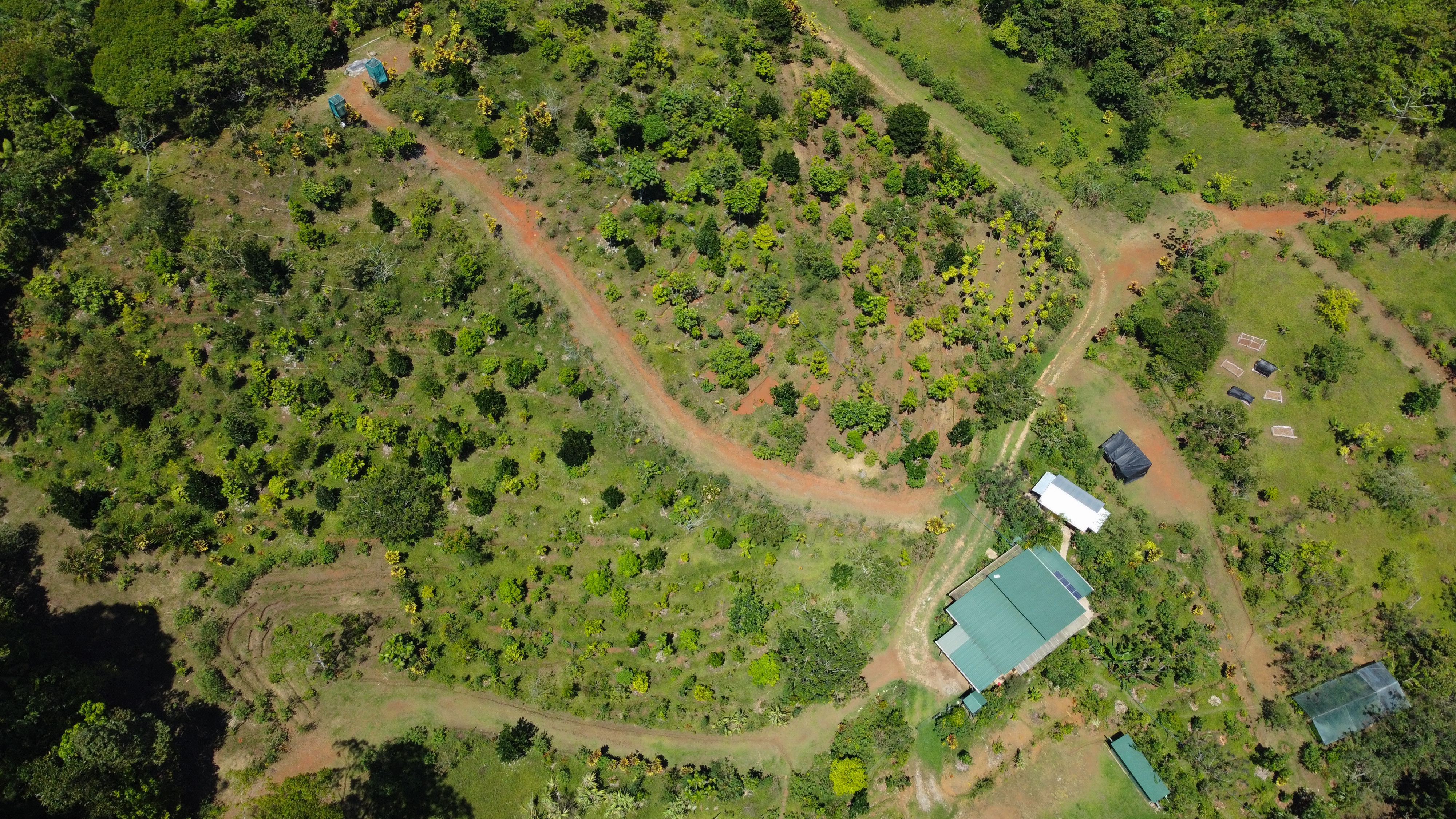
Our goal is to continue developing this emerging food forest while preserving the native jungle—ensuring that local flora and fauna thrive while contributing to long-term food security. As production increases, we hope to share abundance with our neighbors and local markets. By creating meaningful work and cultivating high-quality organic food, we aim to contribute a positive new chapter to the long and complex history of this land.
None of this would have been possible without those who have helped along the way. We are deeply grateful to the many people who have contributed their time, energy, and knowledge to La Floresta:
Gerardo Espinoza, Apolonia Espinoza, Don Esteban, Alejandro Solís, Miguel Jimenez, Juan Mendoza, Roger Mendoza, Grace Mendoza, Edgar Cárdenas, Michelle Gamboa, Juan Ramírez—and many more.